All About Boundaries
What Boundaries Actually Are
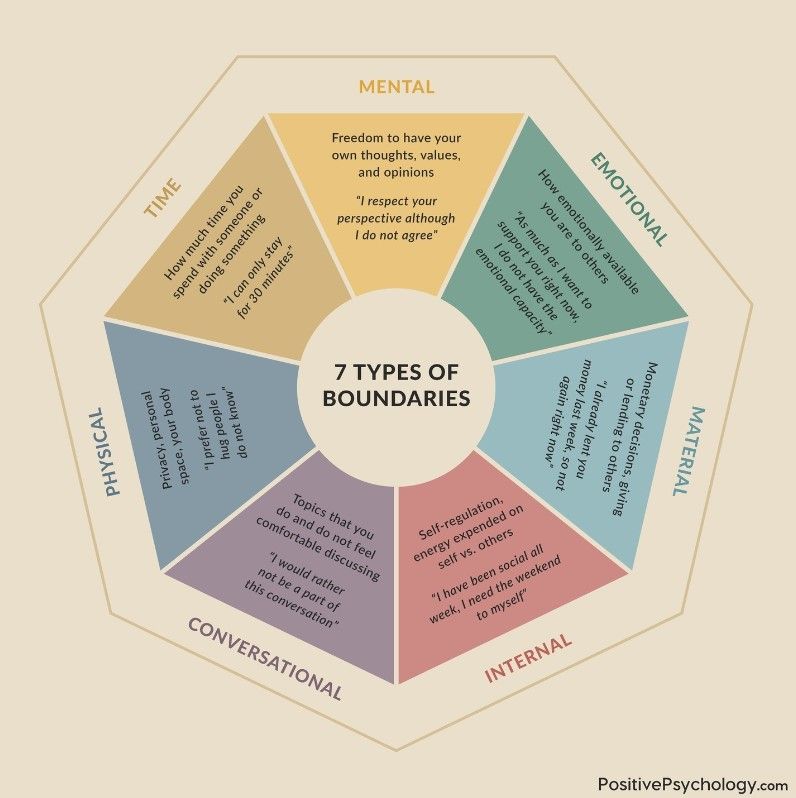
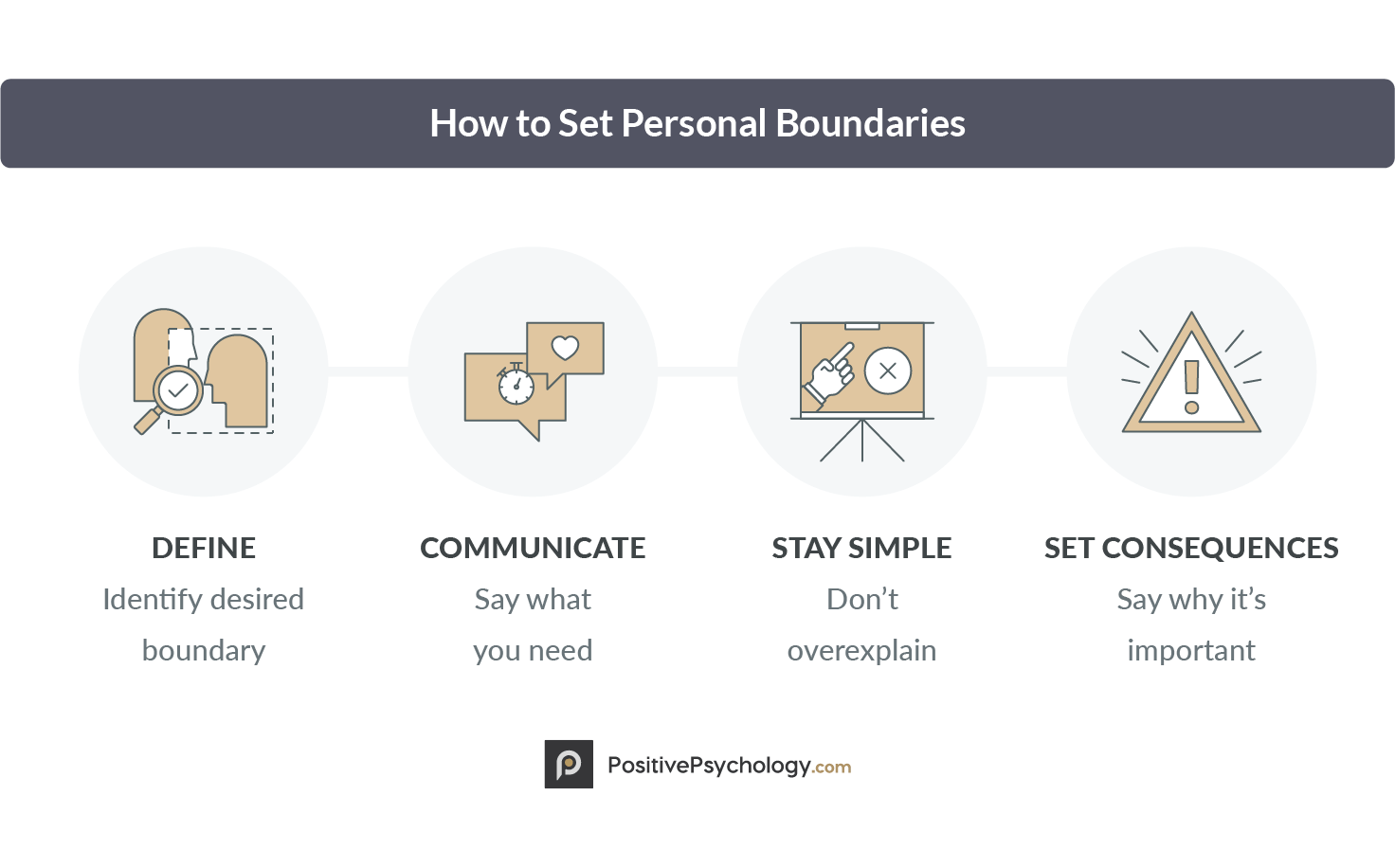
Boundaries aren't walls, and they aren't about controlling other people. A boundary is simply a clear statement about what you need in order to feel safe, respected, and like yourself in a relationship. Healthy boundaries protect your energy, your time, and your emotional wellbeing, and they let the people around you know how to treat you well.
If the word "boundaries" makes you uncomfortable, that's normal. Many of us were taught, directly or indirectly, that setting them makes us difficult, selfish, or unloving. In reality, boundaries are one of the kindest things you can do, both for yourself and for the relationship.
How Your Body Tells You a Boundary Has Been Crossed
Before your mind catches up, your body usually knows. A tight jaw, a knot in your stomach, a flush of heat in your chest or face, the urge to go quiet or disappear from a conversation: these are all signs that something doesn't feel right. Learning to notice these signals is the first step to setting a boundary before resentment builds.
Homework: The Boundary Check-In
This week, notice one moment where your body reacts (tension, irritation, a heavy sigh, wanting to leave the room) during a conversation or interaction. Afterward, ask yourself:
What did my body feel in that moment?
What did I need instead?
What is one simple sentence I could use next time? (Example: "I can't talk about this right now, can we come back to it later?")
You don't have to say it out loud yet. Just start noticing and drafting the words. That's the real work of boundaries: learning your own signals before you're expected to explain them to someone else.